Full article · LinkedIn
Carbon Offsets Are Dead. Long Live Carbon Insetting.
Why carbon offsets have lost credibility—and why investing inside a company’s own value chain may be more accountable.

The Promise of Elsewhere
For decades, the carbon offset market made a quiet promise: that you could emit here and absolve it there. That your factory in Ohio could pay a forest in Gabon to keep growing. That your plane ticket’s guilt could be buried beneath a mangrove planted on your behalf.
It was a neat transaction. A clean ledger. And in many ways, a convenient lie.
By 2025, that illusion is beginning to rupture. The voluntary offset market is in steep decline, and not without reason.
A 2024 investigation found that 87% of offsets purchased by corporations carry a high risk of being ineffective—meaning they either fail to reduce emissions at all, or do so in ways that would have happened anyway. Forests “saved” that were never at risk. Renewable energy plants funded long after they broke ground. Paper promises sold as planetary salvation.
The result? The carbon offset market shrank by 61% between 2022 and 2023, falling from $1.9 billion to $723 million. And a growing chorus—climate scientists, regulators, environmental watchdogs—have begun saying the quiet part out loud: Offsetting, as practiced, may be doing more harm than good.
From Compensation to Commitment
Insetting is something different. Not another workaround. Not a purchase made at moral arm’s length.
Carbon insetting is the act of reducing emissions within your own value chain. Not paying for someone else’s forest, but restoring the land your products come from. Not sponsoring solar panels abroad, but rethinking how your warehouses are powered. Not outsourcing your impact—but owning it.
The Science Based Targets Initiative (SBTi) now strongly discourages companies from relying on offsets to meet near-term climate targets. Instead, it recommends that businesses prioritize “emissions reductions aligned with a 1.5°C trajectory”—work that must begin within the business itself.
This isn’t just a technical distinction. It’s a philosophical one. Offsetting asks how we can neutralize harm. Insetting asks how we can reduce the need to do harm in the first place.
The Supply Chain as Climate Engine
Take Nestlé, which is piloting insetting programs with smallholder farmers across its cocoa and dairy supply chains. Through agroforestry and regenerative agriculture, the company is reducing emissions while improving soil health, biodiversity, and farmer income—achieving real reductions at the point of production.
Kering, the luxury fashion group behind brands like Gucci and Saint Laurent, now invests in regenerative practices across its raw material suppliers. Their logic? The most meaningful carbon reductions come not from cancellation—but from transformation.
Insetting, when done seriously, is slower. It’s harder to quantify. It requires long-term partnerships instead of quick market purchases. But it also builds climate resilience where it matters most: in the systems we directly control.
The End of the Easy Way Out
It’s becoming clear that carbon offsets were never the solution—only the illusion of one.
As pressure mounts from consumers, regulators, and financial markets, the path forward is narrowing. The Integrity Council for the Voluntary Carbon Market is developing stricter global standards. The SEC and EU’s CSRD are tightening climate disclosure laws. And public sentiment is shifting fast: greenwashing doesn’t just cost credibility anymore—it costs stock value, consumer trust, and long-term viability.
Carbon insetting isn’t just a buzzword. It’s the beginning of a reckoning. A reminder that climate action cannot be subcontracted. That sustainability isn’t a line item—it’s a design principle.
The Work We Can’t Outsource
We are past the point of being able to buy our way out of impact. What 2025 demands is deeper: structural change, not symbolic gestures. If offsetting is the promise of absolution, insetting is the practice of accountability.
And in that shift, there’s a strange kind of hope. Not that we can erase what we’ve done—but that we can reimagine what we do next. From the inside out.
About this project
See the assignment, process, and my contribution.
I researched and wrote the business-sustainability article independently.
Related work
Continue through the subject.

How Artificial Intelligence Is Reshaping Corporate Sustainability
AI has environmental costs, but it is also changing how companies measure, model, and manage sustainability work.
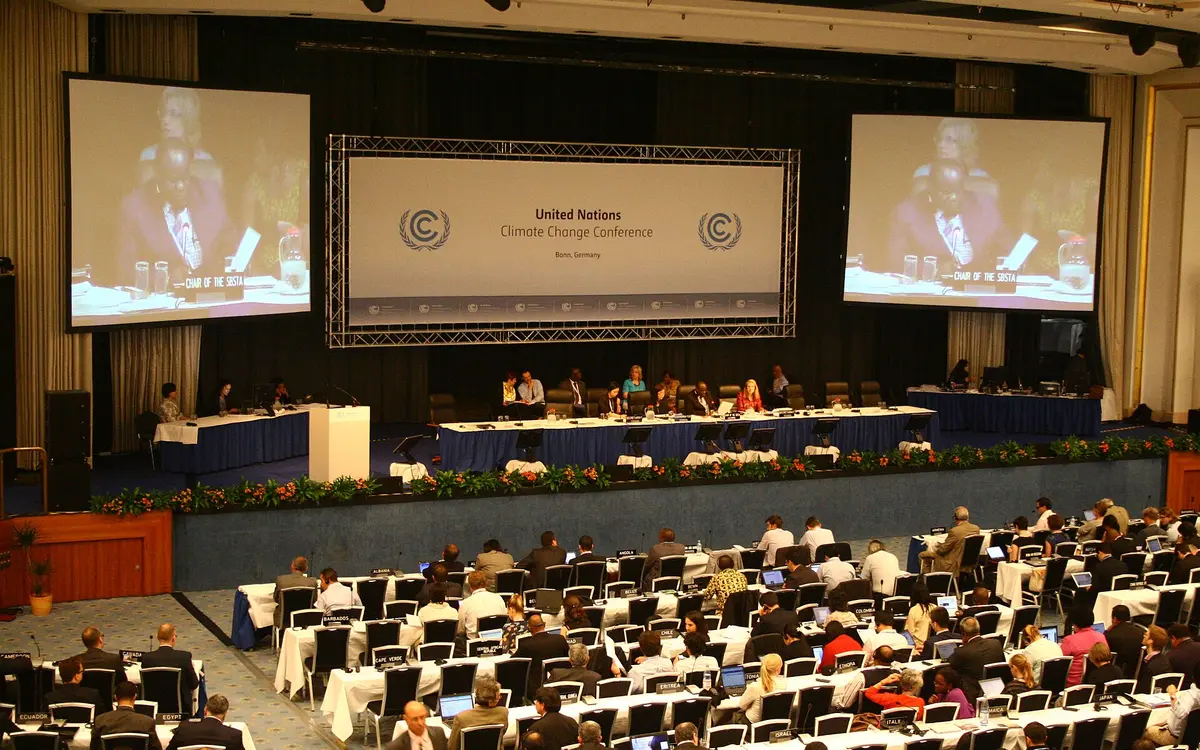
The Climate Negotiations You Haven’t Heard Of — Why Bonn 2025 Matters
Why the Bonn climate talks shape the next phase of international climate action even though they receive less attention than COP meetings.

I’m Sorry, but Your Smart Thermostat Won’t Save You
Consumer devices can reduce energy use, but they cannot substitute for the systemic changes climate policy requires.