Full article · LinkedIn
How Much Did Katy Perry’s Rocket Ride Really Cost the Climate?
A closer look at the environmental footprint behind a brief celebrity spaceflight and the spectacle surrounding it.
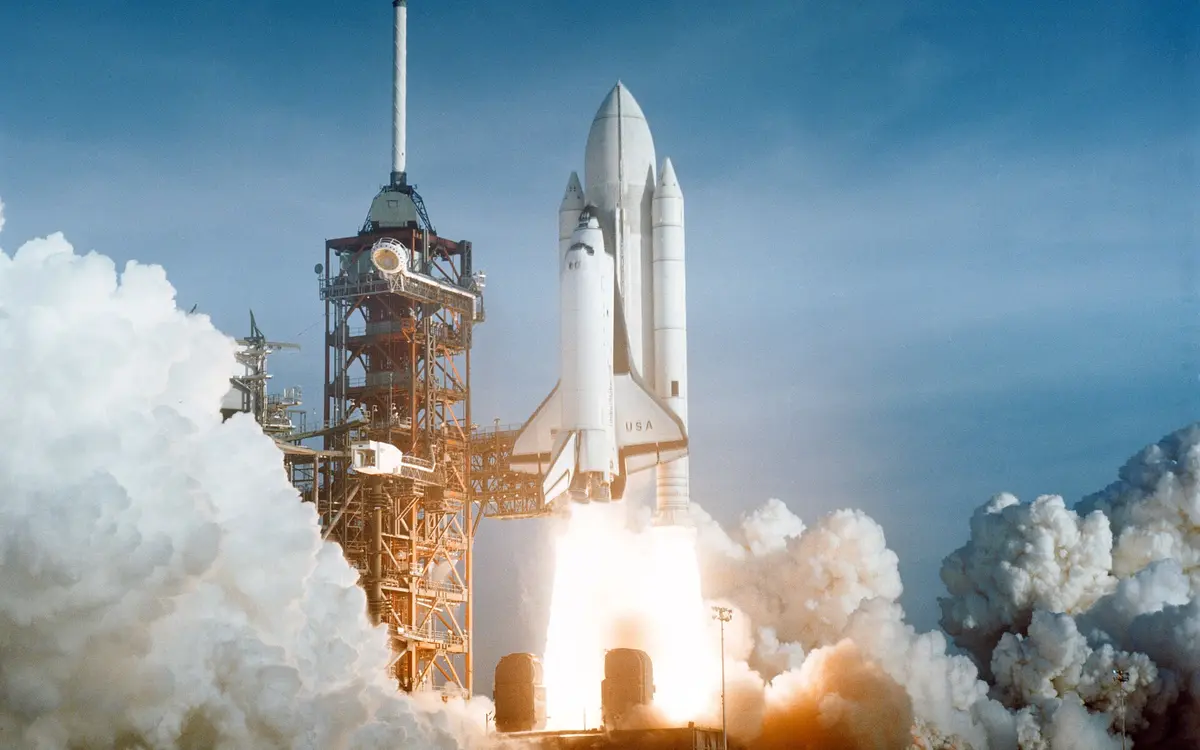
On April 14, 2025, Katy Perry sang What a Wonderful World—from space.
The moment was carefully choreographed: the first all-female crew (this part is genuinely amazing, by the way) aboard Blue Origin’s New Shepard suborbital rocket, six passengers floating briefly above the Earth before falling gently back to it. Among them: journalist Gayle King, aerospace engineer Aisha Bowe, activist Amanda Nguyen, and Perry herself, daisy in hand—a nod to her daughter.
It was a short flight. Eleven minutes, round trip.
But while the crew reentered the atmosphere with applause and headlines, the carbon questions never quite landed. What did this flight cost—not in dollars, but in heat?
Let’s talk about that.
The Rocket’s Fuel: Clean, But Not Harmless
To its credit, Blue Origin’s New Shepard rocket doesn’t burn fossil fuels in the traditional sense. It uses liquid hydrogen and liquid oxygen, which combust into a plume of—seemingly harmless—water vapor. This sets it apart from other rockets that emit soot, CO₂, and aluminum oxides.
But the key word here is seemingly.
At high altitudes, even water vapor can become a climate threat. Released into the stratosphere, this vapor traps heat more efficiently than at lower elevations, contributing to what NASA has called a positive climate feedback loop. In essence: heat breeds vapor, vapor traps more heat.
This is not speculation. Studies have shown that increases in stratospheric water vapor are linked to measurable surface warming—and that water released above the clouds can linger far longer, disrupting radiative balance and potentially interfering with ozone recovery. While one launch is a drop in the (increasingly hot) bucket, the cumulative effect of rising space tourism isn’t so easy to shrug off.
The Indirect Emissions No One Mentions
Even if the flight itself produced no CO₂ (or very little), we still have to look upstream. The production of liquid hydrogen is energy-intensive, and unless powered by renewable sources, it often relies on natural gas—one of the very fossil fuels space tourism is supposed to transcend.
There are no hard numbers published on the full carbon lifecycle of each New Shepard launch, but estimates suggest that per-passenger emissions are still far higher than any commercial flight—despite the “clean fuel” narrative.
One seat. Ten minutes. Six passengers. The math is uncomfortable.
Wonder, Optics, and the Weight of a Gesture
None of this is to dismiss the symbolism of an all-female crew in a field historically dominated by men. That matters. Representation always does.
But when symbolism climbs aboard a $60 million rocket, the optics get tricky.
Critics have been sharp—and not without reason. Model Emily Ratajkowski called the mission “end-times s---.” Actress Olivia Munn labeled it “gluttonous.” Even Amy Schumer and Wendy’s chimed in with sarcasm, mocking Perry’s performance from orbit as out of touch.
The backlash wasn’t just about celebrity excess. It was about climate dissonance—the widening gap between who gets to escape gravity for a few minutes of spectacle and who deals with the heatwaves, the floods, the rising costs down below.
When the world is burning, even water vapor matters.
So… Was It Worth It?
Katy Perry said her goal was to “inspire the next generation” and to mark “an important moment for commercial space travel, for humanity, and for women.”
It’s a generous interpretation. But it raises the question: is space inspiration really what we’re short on?
Or are we short on grounded, earthbound action? On investment in climate adaptation, energy transition, and environmental equity? On clean air that doesn’t come from combustion and clean water that doesn’t need to be hand-pumped into a launchpad?
If we must send people to space for the sake of wonder—fine. But let’s stop pretending it’s carbon-neutral curiosity.
Let’s call it what it is: a beautiful gesture with an invisible cost.
About this project
See the assignment, process, and my contribution.
I researched and wrote the science-and-culture article independently.
Related work
Continue through the subject.

No, Elon Musk Is Not Bringing Us to Mars
A critical look at the marketing, infrastructure, and environmental assumptions behind popular promises of Mars settlement.

How Artificial Intelligence Is Reshaping Corporate Sustainability
AI has environmental costs, but it is also changing how companies measure, model, and manage sustainability work.

I’m Sorry, but Your Smart Thermostat Won’t Save You
Consumer devices can reduce energy use, but they cannot substitute for the systemic changes climate policy requires.