Full article · LinkedIn
Sustainable585: Issue #3 — Biweekly Regional Roundup
Earth Day, Arbor Day, heavy rain, and collective sustainability work across the 585 in early May.
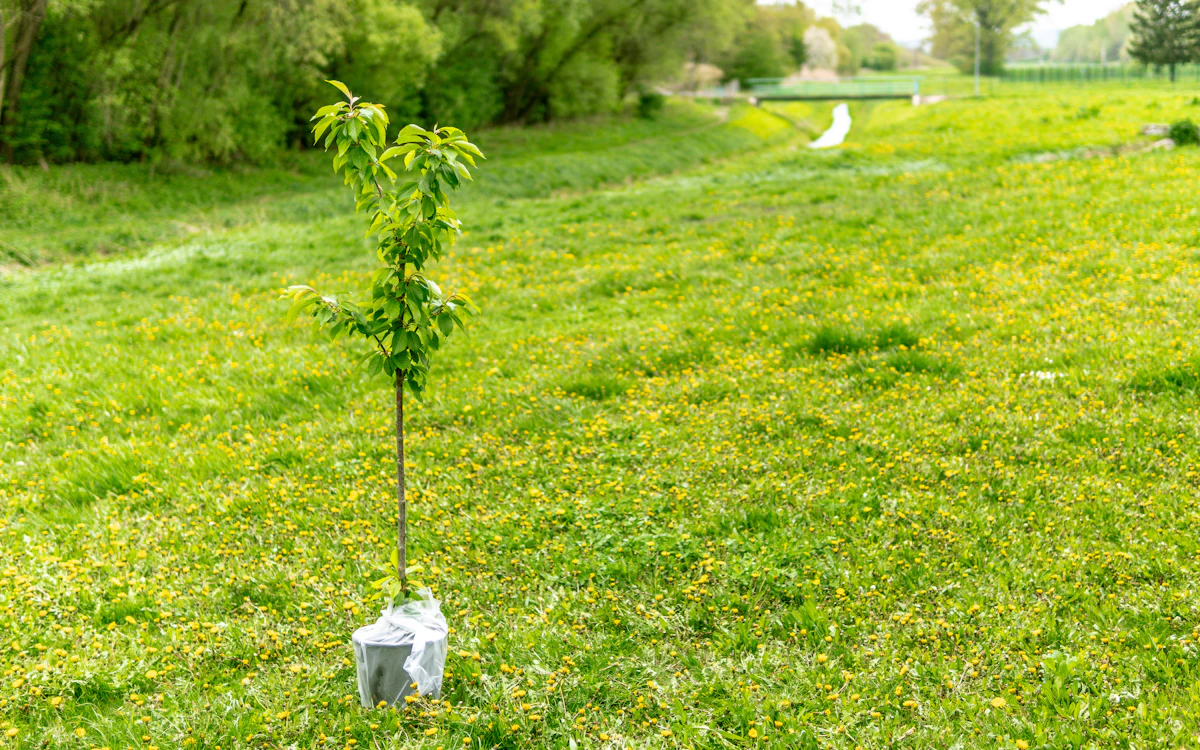
Late April into early May is often framed as a symbolic turning point: Earth Day, Arbor Day, the seasonal rituals that remind us—if briefly—that we live within systems larger than ourselves. But this year, across the 585 region, those rituals took on a more durable shape. What emerged wasn’t just celebration—it was coordination. From shoreline cleanups to state-level climate planning, from university benchmarks to town certifications, the work of climate action unfolded in visible, measurable layers.
This edition of Sustainable585 documents those efforts—not as isolated events, but as pieces of a larger regional conversation about what it means to act, prepare, and sustain.
Clean Sweep Moves Forward Despite the Rain
On May 3, more than 2,500 Rochester residents stepped out into the drizzle for the city’s largest annual cleanup initiative, Clean Sweep. Across more than 70 public spaces, volunteers from businesses, churches, community groups, and families removed trash, repainted walls, raked debris, and restored order to shared corners of the city. Mayor Malik Evans kicked off the event at Innovative Field with a rallying address and free breakfast. The promised Red Wings game was rained out—but the cleanup was not.
The visibility of Clean Sweep matters. It’s one of the few citywide events that blends volunteerism, maintenance, and civic ritual in one shared motion. And while it doesn’t resolve the structural causes of urban disrepair, it does respond to them—in gloves, buckets, and sore backs. That response, year after year, is a form of climate resilience too: reclaiming public space, stewarding land not in theory, but in practice.
New York State Unveils Climate Adaptation Framework
At the state level, Earth Week brought broader institutional movement. On April 24, Governor Hochul announced the launch of the New York State Adaptation and Resilience Plan. Designed to coordinate climate preparedness efforts across agencies, municipalities, and economic sectors, the plan addresses increasingly frequent weather extremes—from flooding to heatwaves—and the infrastructure deficits they expose.
DEC, NYSERDA, and other state agencies will lead the planning process, with stakeholder webinars and community engagement scheduled throughout summer 2025. For regions like Monroe, Livingston, and Ontario counties, where aging drainage systems, outdated zoning, and public health gaps already strain budgets, the framework could be pivotal—if it materializes as more than a white paper. Implementation will be everything.
Geneva Earns Climate Smart Communities Certification
While the state was announcing its vision, the Town of Geneva was executing on its own. Also on April 24, Geneva received Bronze Certification through New York’s Climate Smart Communities program, marking a culmination of local work that included energy audits, emissions planning, and community engagement.
The town’s new solar project is expected to save $10,000 per year, and the sustainability task force driving these efforts secured more than $250,000 in grant support over the last year. Though Bronze is the program’s entry level, it signals that Geneva is not just pledging climate action—it is documenting, financing, and systematizing it. In a region where rural towns often operate with thin margins and skeletal planning boards, that’s no small feat.
University of Rochester Maintains National Sustainability Rating
In higher education, the University of Rochester retained its STARS Silver rating from the Association for the Advancement of Sustainability in Higher Education (AASHE) as of April 21. The designation, though unchanged since previous cycles, represents consistent institutional engagement in curriculum development, energy and emissions reporting, and campus operations.
Silver doesn’t indicate perfection—it indicates process. UR’s most recent sustainability report showed gains in faculty research, student engagement, and academic offerings, though challenges persist in procurement and transportation. In a city where universities play outsized roles in labor, land use, and energy demand, institutional accountability matters.
Honorable Mentions: Quiet Wins Across the Region
Not all progress made headlines, but each of the following contributed meaningfully to the environmental texture of the 585:
- April 25 – Genesee Valley Park (Rochester): Arbor Day marked with ceremonial plantings and free saplings of white oak and river birch. The city remains on track for its goal of 6,000 trees planted in 2025.
- April 26 – Webster: Volunteers with ReTree and Friends of Webster Trails potted hundreds of native seedlings for long-term local replanting.
- April 22 – Highland Park (Rochester): The Highland Park Conservancy led a walking tour on Frederick Law Olmsted’s design legacy and the modern relevance of urban green space.
- April 22 – Monroe Community College: MCC hosted an Earth Day celebration featuring local sustainability vendors, plant sales, and student clubs.
- April 23 – Geneseo: Livingston County honored Dr. Eric Randall and Karl Hanafin for decades of environmental stewardship during its 27th annual Earth Day Awards.
- Late April – Monroe County: Due to abrupt state cuts to the Public Health Fellowship Program, the County Health Department will lose four fellows—two of whom worked directly on climate preparedness. The departure weakens the county’s capacity to address rising heat events, emergency planning, and public health infrastructure gaps.
About this project
See the assignment, process, and my contribution.
I researched, curated, and wrote the regional dispatch independently.
Related work
Continue through the subject.

Sustainable585: Issue #2 — Where the Work Begins
A look at how practical sustainability work begins in the 585—quietly, locally, and one committed step at a time.
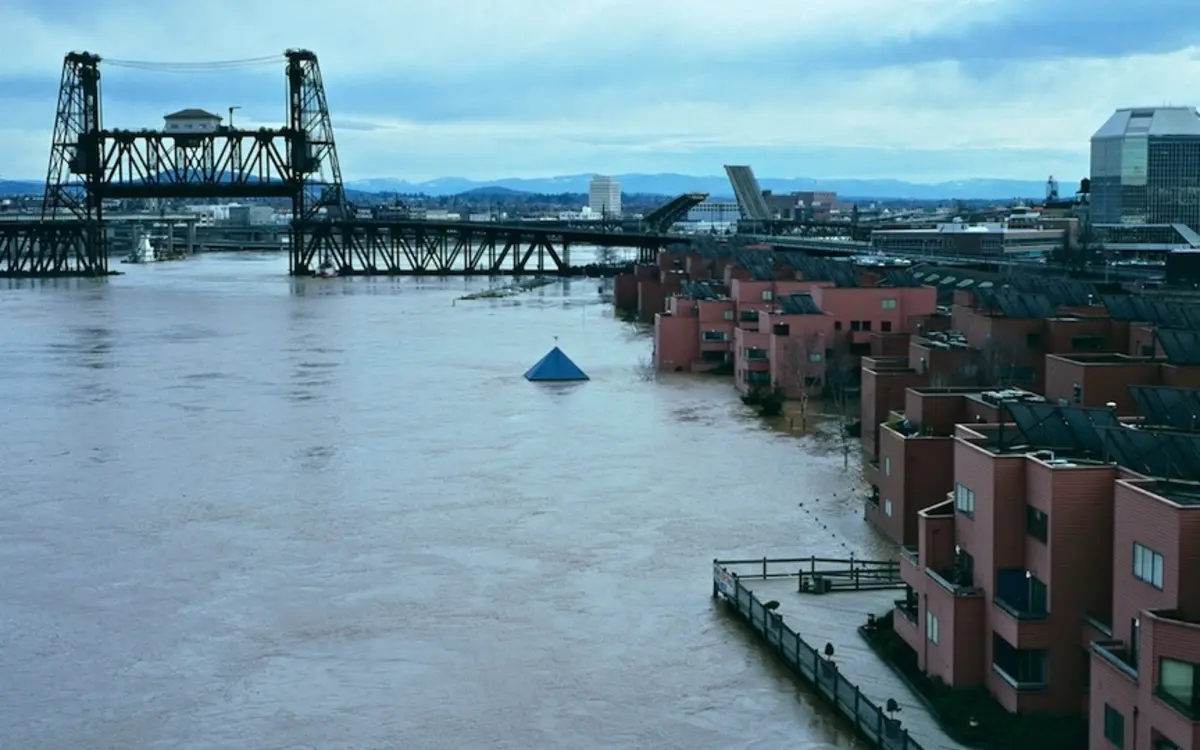
Sustainable585: Issue #4 — Where the Water Rises
A regional roundup tracing sustainability work, local decisions, and changing water conditions across greater Rochester.
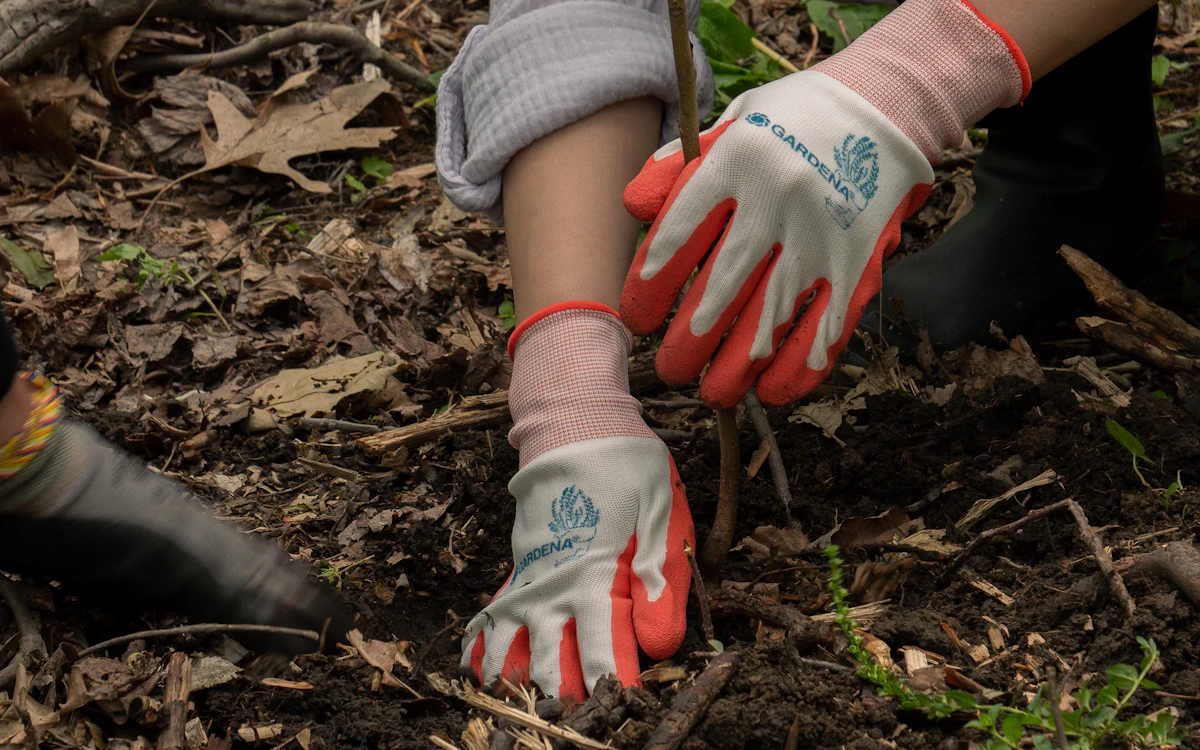
Sustainable585: Issue #5 — Where the Systems Hold, Quietly
A regional dispatch on environmental research, local projects, and the quieter systems work happening across the 585.