Full article · LinkedIn
Sustainable585: Issue #4 — Where the Water Rises
A regional roundup tracing sustainability work, local decisions, and changing water conditions across greater Rochester.
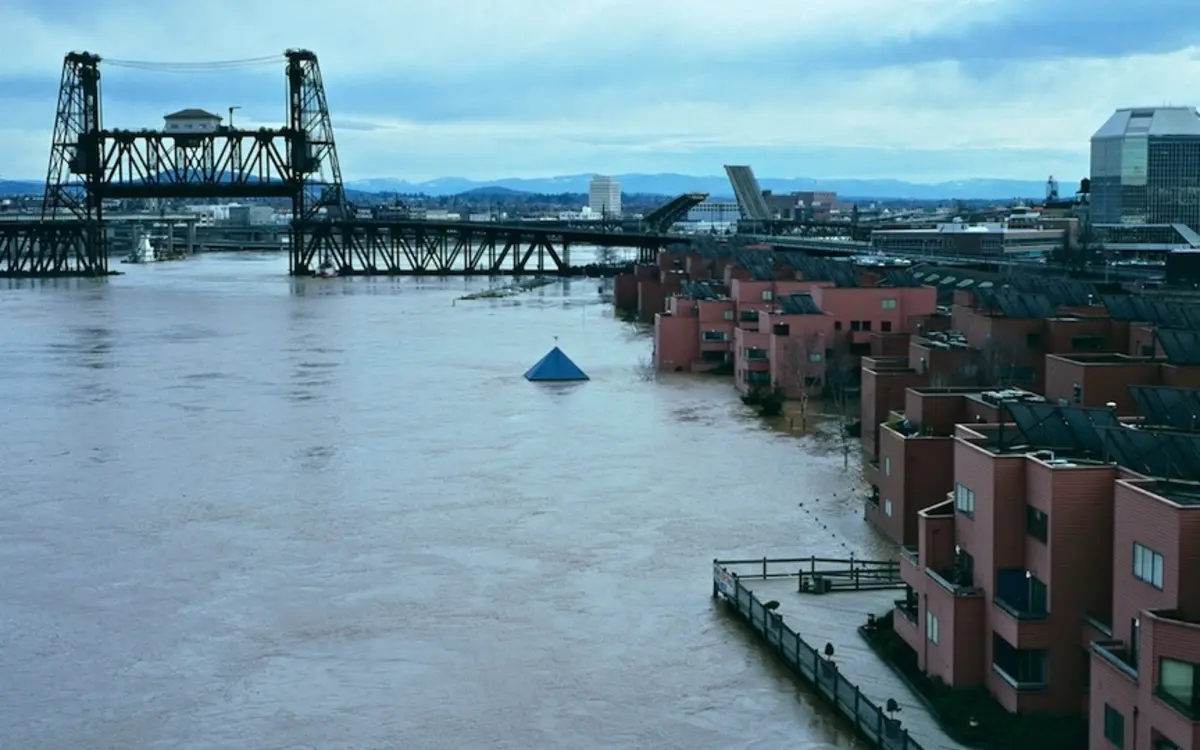
The rain didn’t arrive all at once. It returned like a memory. By the time flood watches swept across the Finger Lakes, the soil had already softened into surrender. Every day in early May carried water. It blurred lines—between winter and spring, between discomfort and damage.
Still, in the in-between, the region kept moving. Solar plans rose on city rooftops. A local sabbatical policy took shape. Cyclists rode toward downtown in the drizzle. And one of Monroe County’s most celebrated green-tech companies collapsed into bankruptcy.
Sustainability doesn’t always look like progress. But it’s always rooted in response.
I: In the Watershed – Research, Rain, and the Patterns We Live In
On May 4, the New York State budget passed with new funding for SUNY Geneseo and SUNY Brockport—over $3.7 million in operating aid between them. Quiet numbers in a large document. But capacity-building, nonetheless. The kind that supports labs, staff, and long-form environmental research in a region that depends on it.
Four days later, Cornell’s Water Resources Institute announced $371,000 in grants for watershed studies across the state. Some of that money is headed here—to the Finger Lakes and Great Lakes basins. Where runoff runs long. Where nutrients stay too long. Where water, once safe, now needs watching.
And all of it happened against the backdrop of rain. Daily, soaking, steady. Flood watches issued. Low-lying fields drowning in place. Meteorologists didn’t call it extreme. They called it familiar. Which might be worse.
We’re not just studying the watershed anymore. We’re living inside the consequences.
II: Rooftops With a Job – Rochester’s Solar RFP
On May 9, the City of Rochester released a new Request for Proposals—this one aimed skyward. Solar panels. Municipal rooftops. A power purchase agreement that would let vendors install and operate PV systems on public buildings like the Blue Cross Arena, the Convention Center, the Public Safety Building.
These aren’t just surface upgrades. They’re functional futures. Acknowledgements that the buildings we rely on to serve us should also help power the city that surrounds them.
This isn’t net-zero. Not yet. But it’s a step. A visible one. And like all good infrastructure, it starts above our heads before it changes how we live on the ground.
III: The Long Grid Fight – Public Power Advocates Return to City Hall
The timing wasn’t planned. But maybe it didn’t have to be.
Just six days after the solar announcement, local organizers gathered at City Hall—again—to demand something different: a public electric utility. The money for a feasibility study is already in the city’s hands. But it expires in June. And so they came with signs, stories, and a deadline.
This isn’t a new campaign. But it’s become sharper. Focused less on vision, more on urgency. It’s about who gets to own the grid. About whether Rochester will keep waiting for RG&E to behave—or start building something it can actually control.
The council has yet to move. But the pressure is no longer quiet.
IV: Recharge as Resistance – The Region’s First Climate Sabbatical
On May 12, something rare happened in the climate nonprofit world: someone took a sabbatical.
Abigail McHugh-Grifa, Executive Director of the Climate Solutions Accelerator, became the first staff member to step away under the organization’s new regenerative leave policy. After five years of service, Accelerator employees are now eligible for up to 12 weeks of paid sabbatical. No deadlines. No expectations.
It’s a small act. But it ripples.
In a sector built on urgency and run on exhaustion, this wasn’t just self-care—it was a systems decision. A reframing of what sustainable work actually means. And a reminder that rest isn’t something we earn. It’s something we require, if we’re going to stay in this for the long haul.
V: The Collapse That Wasn’t Supposed to Happen – Li-Cycle Files for Bankruptcy
On May 14, Li-Cycle—a lithium battery recycling firm once touted as a flagship of Rochester’s clean energy economy—filed for bankruptcy protection.
Their $375 million “Rochester Hub” at Eastman Business Park was supposed to close the loop. Turn waste into value. Create over 250 local jobs. But construction halted last fall. The money didn’t stretch. The vision buckled. And now the future of the site—and the story built around it—is in limbo.
It’s not just a corporate failure. It’s a narrative one. The kind that asks us to reexamine what “green investment” actually means. Who owns it. Who profits. And who gets left behind when the scaffolding falls.
Sometimes the collapse isn’t just structural. It’s ideological.
VI: Pedals, Purpose, and Public Space – Rochester’s Bike to Work Day
On May 16, before the workday began, cyclists from all four city quadrants rode into downtown. Some in rain gear. Some on borrowed bikes. They gathered at Austin Steward Plaza for granola, water, and quiet solidarity.
It was National Bike to Work Day. But it didn’t feel national. It felt local. Tangible. Like something a city could grow from.
Reconnect Rochester organized the ride. Employers were encouraged to ask for new bike racks. The city was invited to notice. Not everyone did. But the ones who showed up reminded us what a different transportation culture might look like—one where roads slow down, and streets remember people exist.
It wasn’t loud. But it was forward.
What This Is (Even Still, Now)
Sustainable585 remains a record of movement—forward, sideways, even backward—across a region that’s constantly negotiating with its future.
In the past two weeks, that movement came in forms both subtle and seismic. A research grant. A rooftop. A rainy commute. A campaign that won’t let go. A company that did. And in each case, the same question humming underneath: What are we really building here?
We’ll be back soon.
—Paul
About this project
See the assignment, process, and my contribution.
I researched, curated, and wrote the regional dispatch independently.
Related work
Continue through the subject.
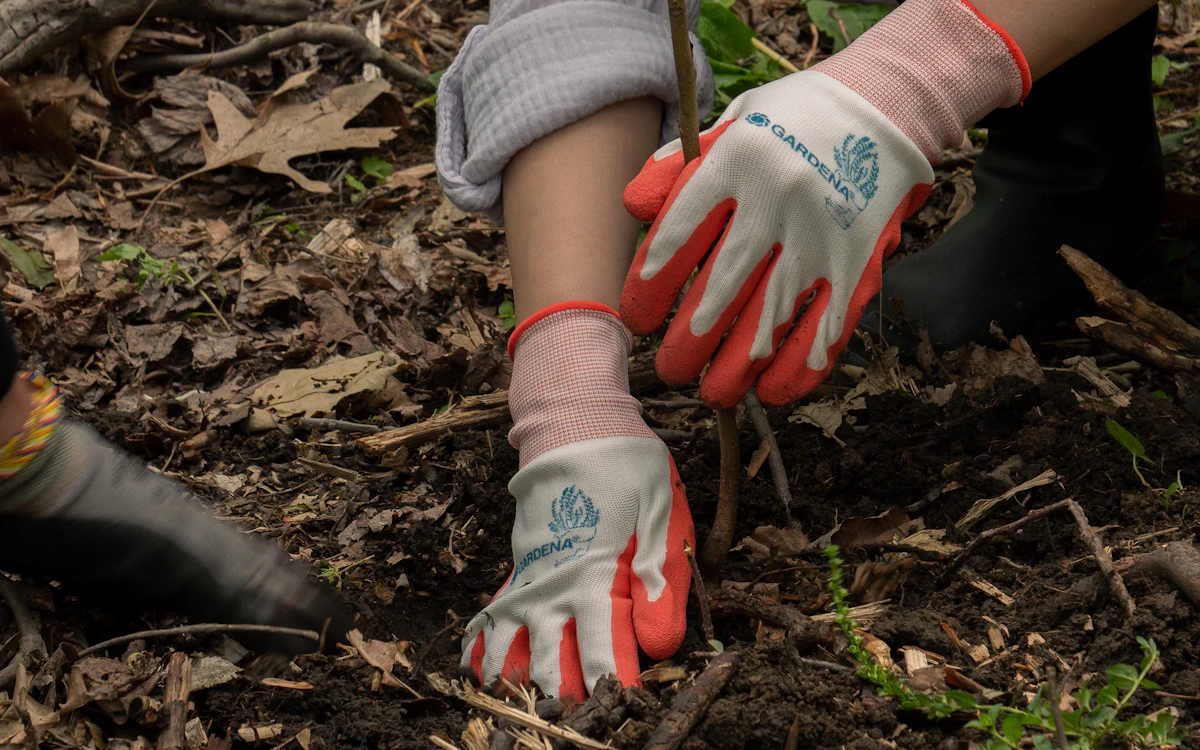
Sustainable585: Issue #5 — Where the Systems Hold, Quietly
A regional dispatch on environmental research, local projects, and the quieter systems work happening across the 585.
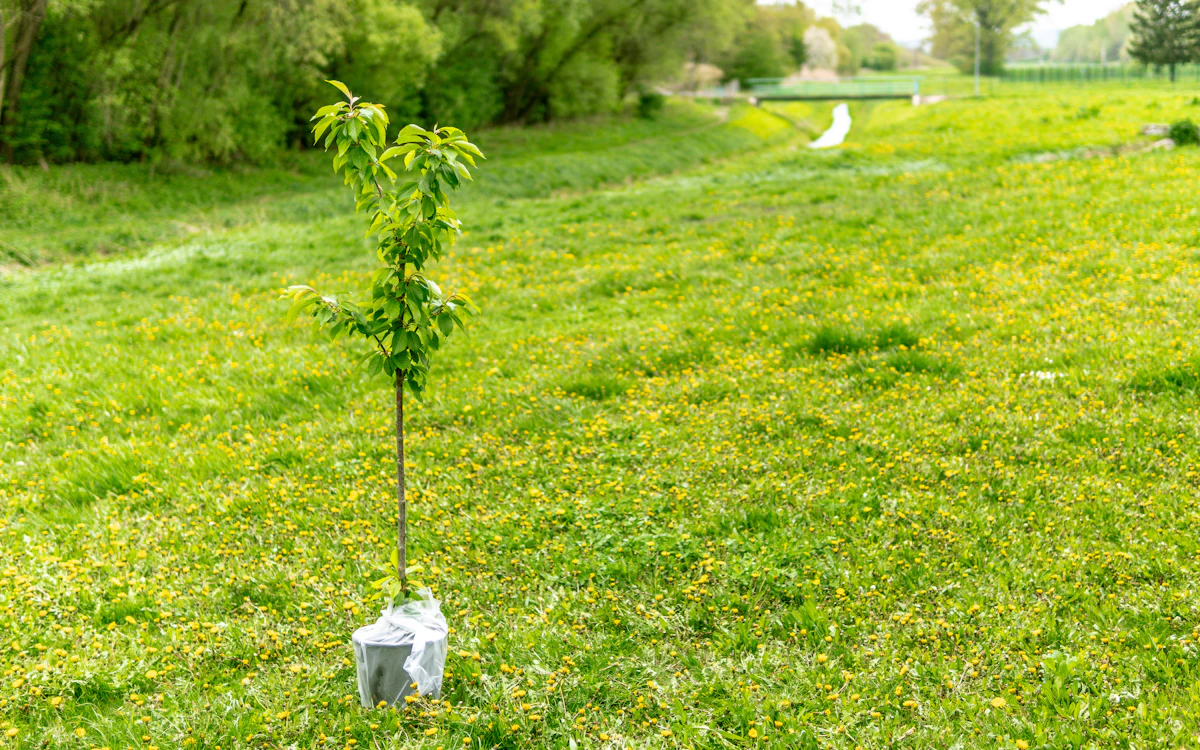
Sustainable585: Issue #3 — Biweekly Regional Roundup
Earth Day, Arbor Day, heavy rain, and collective sustainability work across the 585 in early May.
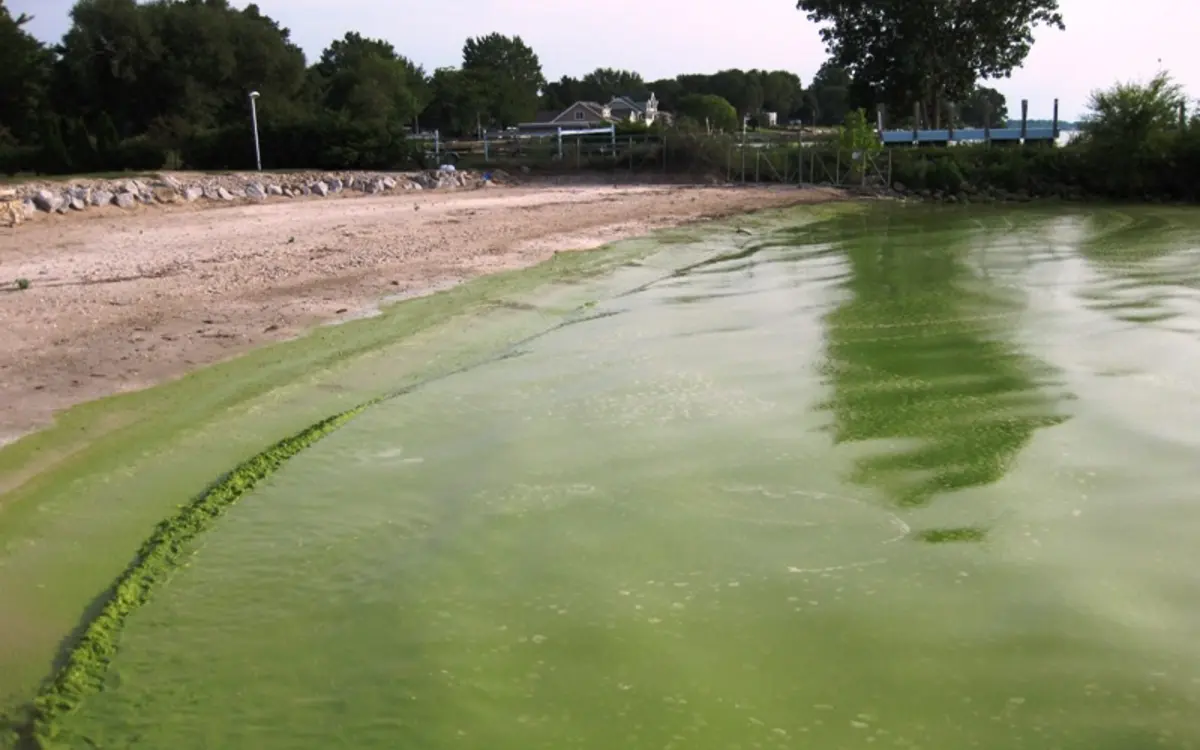
The Impact of Climate Change on Harmful Algal Blooms in the Genesee–Finger Lakes Region
A nine-county review connecting harmful algal bloom reports with precipitation, temperature, lake history, and watershed runoff conditions.