Research question and review framework
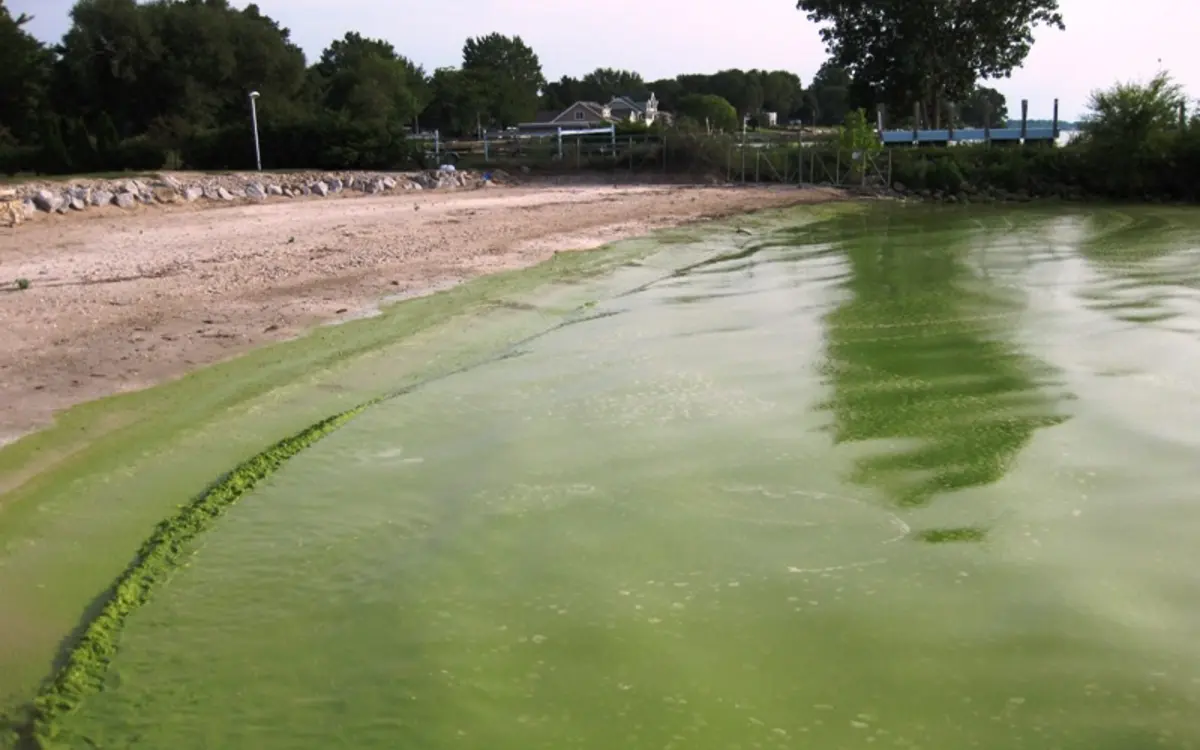
The review examined whether macrophytes could serve as a viable alternative to chemical and mechanical HAB treatments, then deliberately separated laboratory efficiency from real-world feasibility. Each candidate was classified by growth form, dominant remediation mechanism, North American restriction status, and tendency to create adverse effects.
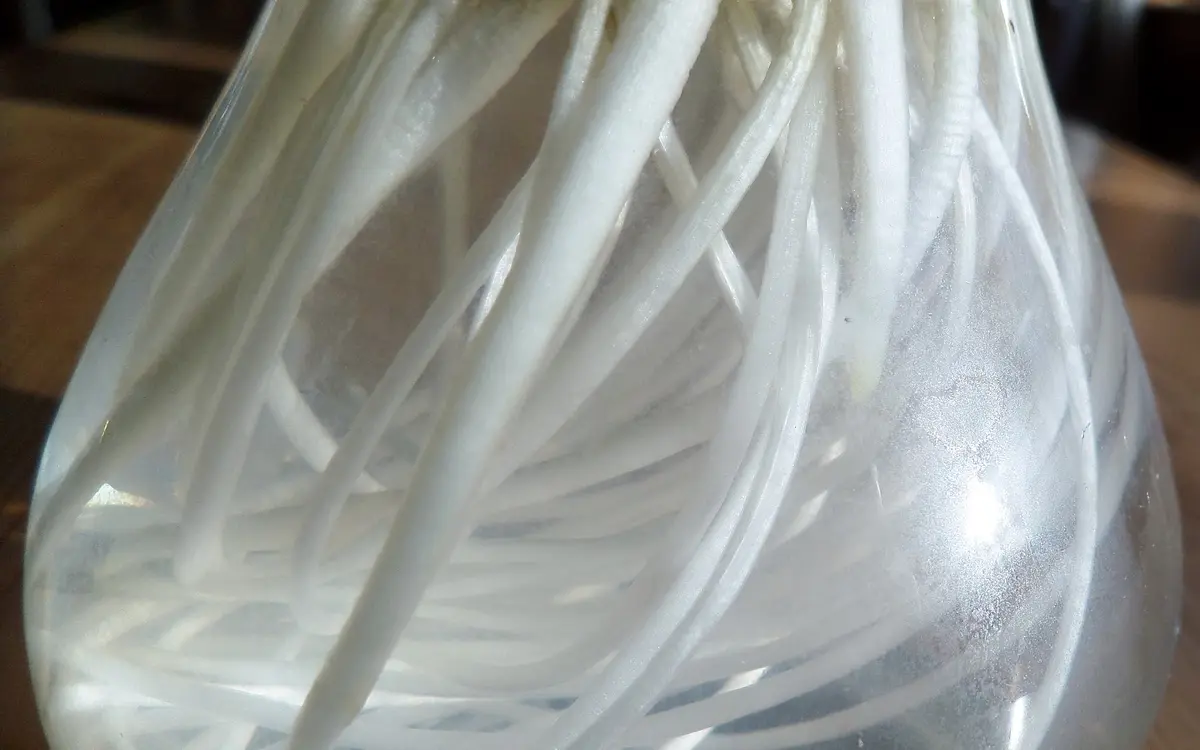
The comparison centered on three mechanisms: rhizofiltration by water hyacinth, bioaccumulation by star duckweed, and allelopathic suppression by parrot’s feather. That structure made it possible to compare studies that measured different outcomes while still keeping management and ecological tradeoffs visible.
Evidence synthesized
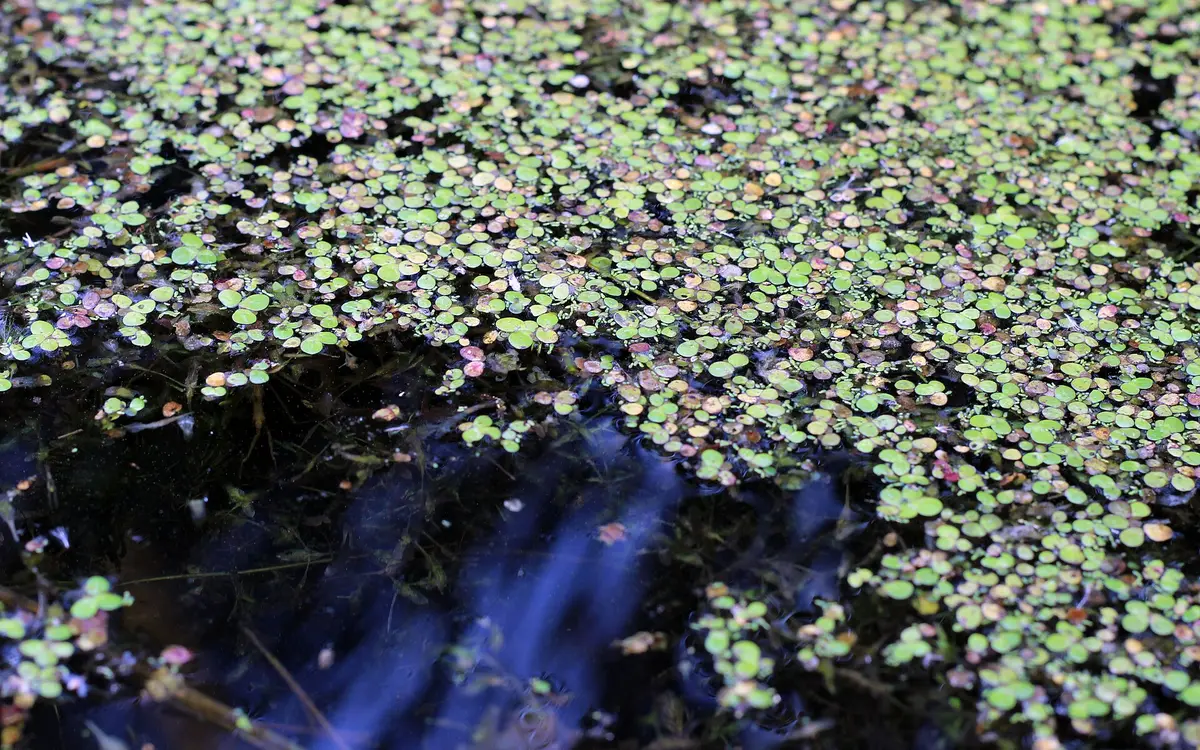
- Star duckweed removed 86–95% of anatoxin-a in cited experiments, while later work showed that responses can vary by cyanobacterial species and culture makeup.
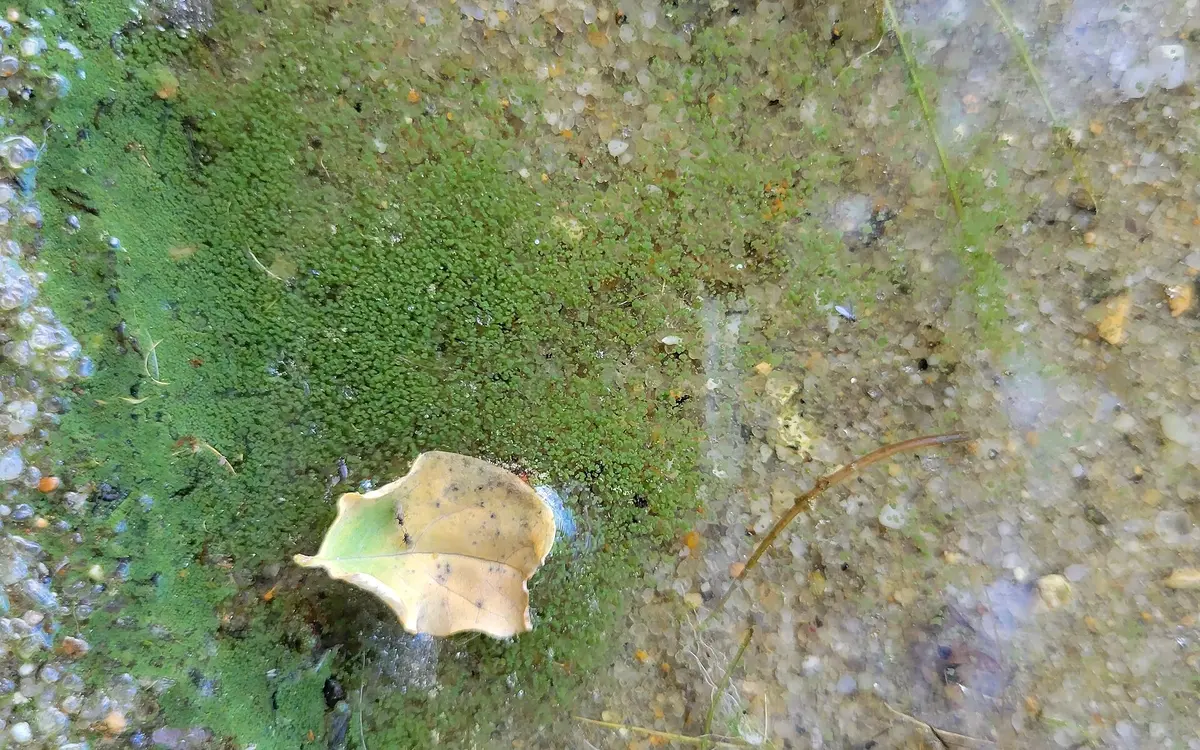
- Co-cultivation studies reported substantial reductions in cyanobacterial biomass and chlorophyll-a for several strains, including a 4.3-fold chlorophyll-a reduction for Microcystis aeruginosa relative to the control.
- Water hyacinth can remove nutrients and resist cyanotoxins, but rapid growth, mat formation, long-lived seeds, and disposal requirements make active management essential.
- Parrot’s feather demonstrated allelopathic suppression and microcystin removal, but fragmentation and invasive behavior reduce its suitability for open-water application.
Interpretation and limitations
The conclusion is intentionally narrower than a universal treatment recommendation. Controlled studies isolate useful mechanisms, but they do not reproduce the active nutrient loading, species mixtures, temperature variation, sediments, and management constraints present in a lake. The review therefore recommends feasibility testing and controlled research before any field-scale application.
I completed the research, comparative framework, synthesis, and scientific writing for SCI*420 at Nazareth University. The project demonstrates the ability to evaluate contradictory evidence, preserve uncertainty, and turn a dispersed technical literature into a decision-focused explanation.
My role
I designed the comparison framework, reviewed the scientific literature, evaluated remediation mechanisms and constraints, and wrote the final analysis at Nazareth University.