Experimental design
- Clear 71-ounce glass vessels with a soil base were used as constructed wetland models.
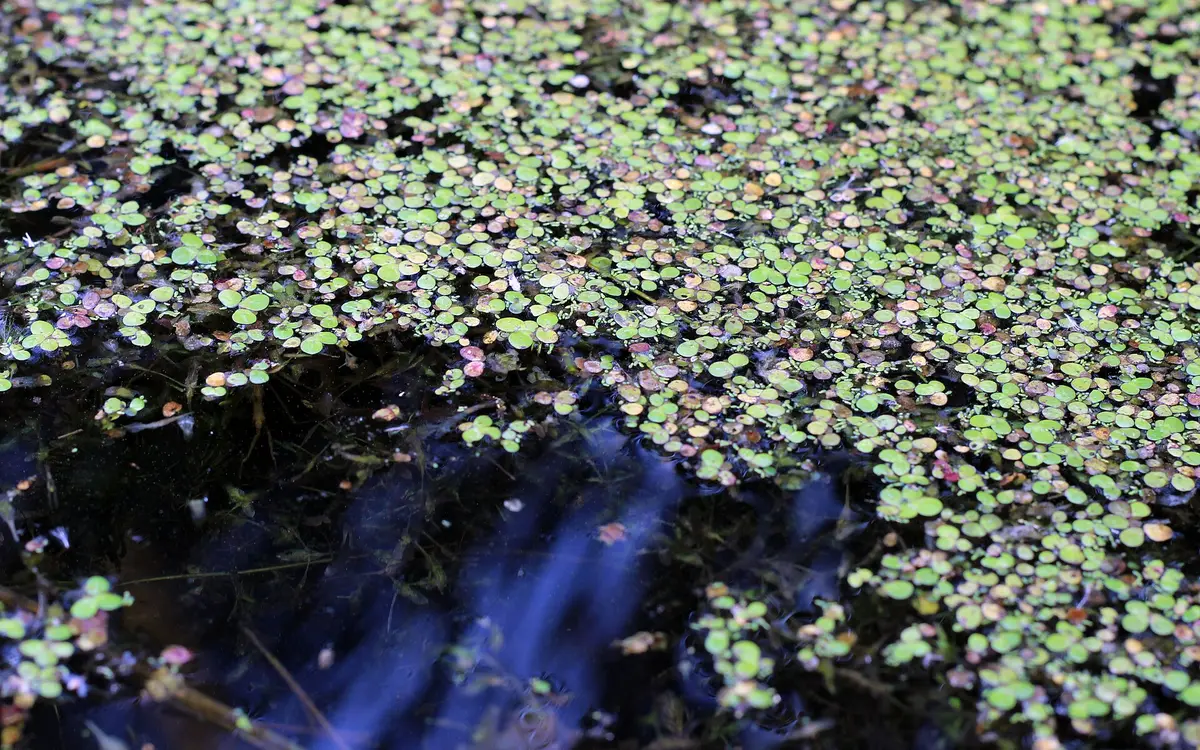
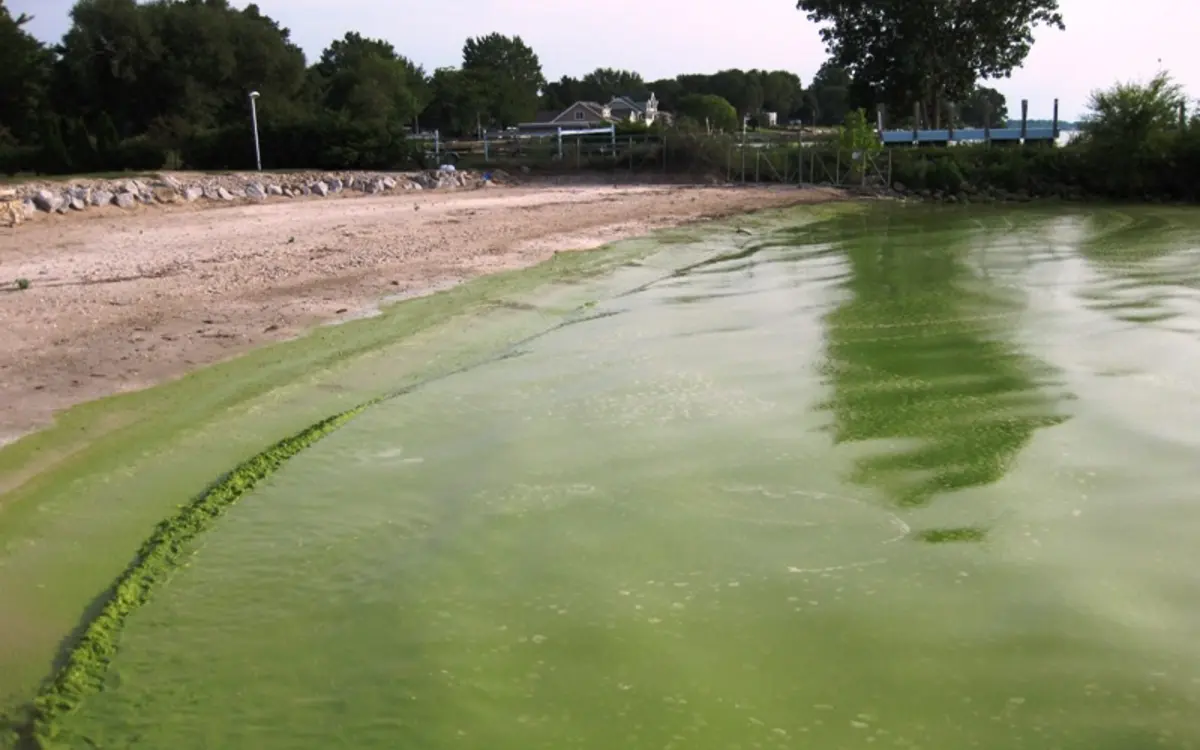
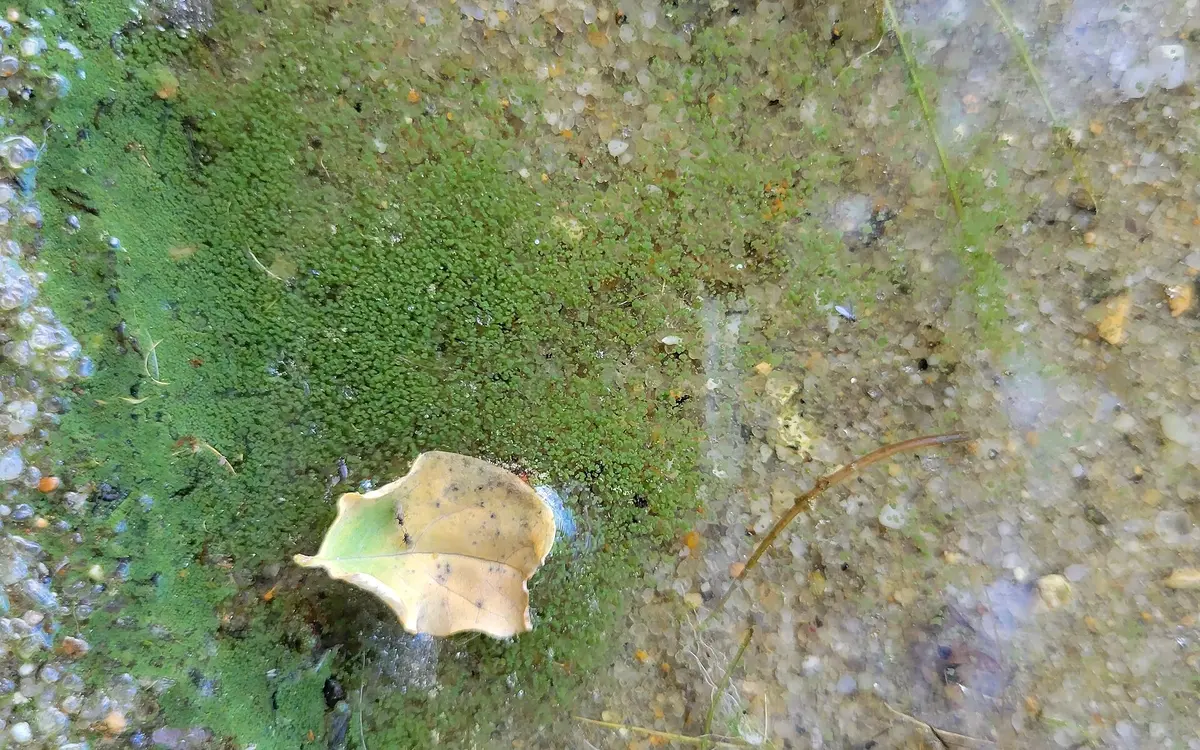
- Microcystis aeruginosa culture and a defined nutrient source were used to induce bloom conditions.
- A grow tent controlled and monitored temperature, day–light conditions, humidity, light intensity, and vapor-pressure deficit (VPD), with temperature maintained near 24°C.
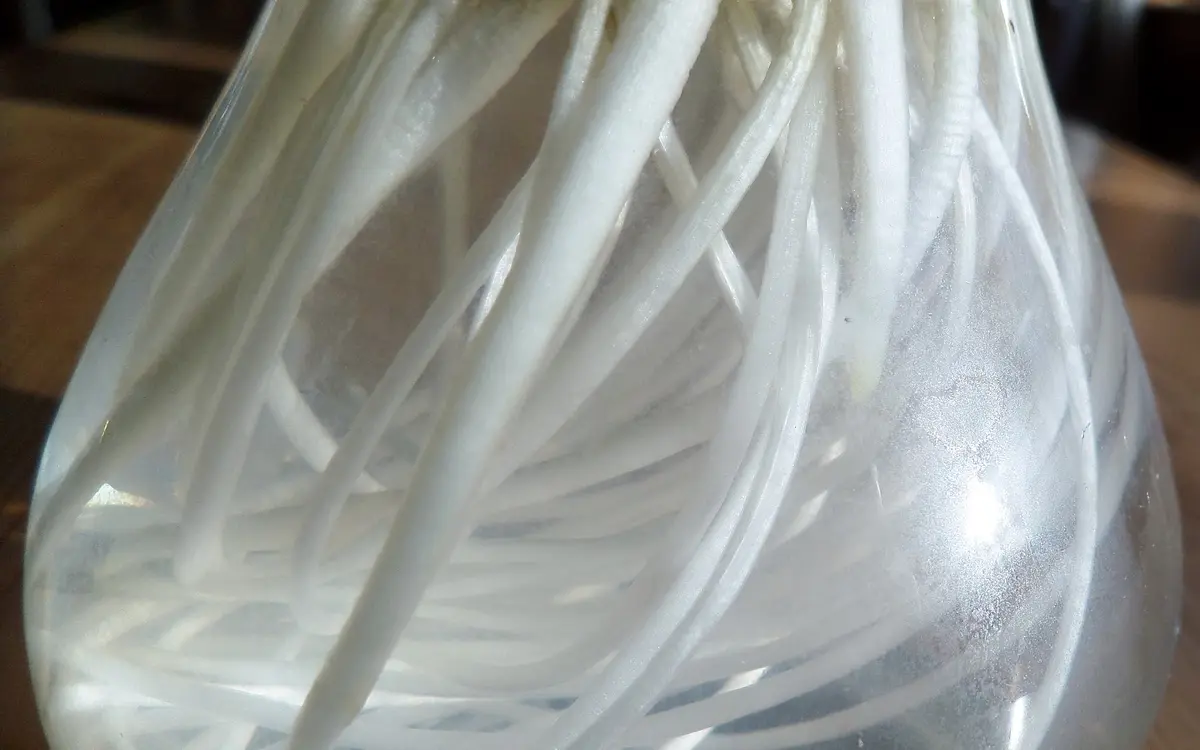
- Water hyacinth was introduced during the remediation stage and compared with a non-hyacinth control.
- Phosphate, total dissolved solids, electrical conductivity, pH, and Secchi depth were tracked; plants were desiccated before disposal to prevent release.
Selected findings
- Average phosphate depletion was about 2.9 ppm per day with water hyacinth versus 1.9 ppm per day for Microcystis alone—a 1.5-fold difference, with a reported two-tailed t-test p-value of approximately 0.01 for the remediation stage.
- Total dissolved solids declined by about 9.1 ppm per day in hyacinth groups versus 7.25 ppm per day in the control, roughly a 1.25-fold difference.
- Visible surface scum decreased, but Secchi depth results moved in an unexpected direction, showing that turbidity was influenced by more than algal biomass alone.
Limits and next steps
The study partially supported the hypothesis but exposed important measurement limits. A follow-up should quantify water-hyacinth growth and matting, measure dissolved oxygen, increase replication, and use spectrophotometry to track cyanobacterial growth directly. Field application would also require a controlled deployment and removal system that prevents the remediation plant from becoming a separate ecological problem.
My role
I constructed, designed, and documented the controlled wetland model; managed bloom induction and rhizofiltration; monitored environmental conditions; measured turbidity and nutrient dynamics; analyzed the results; reviewed the literature; and communicated the findings through the UAlbany Science Research in the High School program.